







Search Results for: price fluctuations
Coffee Futures Trading and Price Fluctuations: An Analysis of Key Factors Such as Supply, Climate, and Policy, and Market Trends
Coffee is a commodity second only to crude oil in global trading volume, and its futures price fluctuations affect the politics and economies of producing countries while also attracting countless investors. This article systematically examines the major core factors influencing coffee bean prices: changes in supply, climate and pests, government policies of various countries and measures by the International Coffee Organization, strikes and market rumors, and seasonal patterns. At the same time, it provides an in-depth analysis of the special position of major producing countries such as Brazil, revealing the market logic and investment opportunities behind the key break-even line of $1 per pound. [more…]
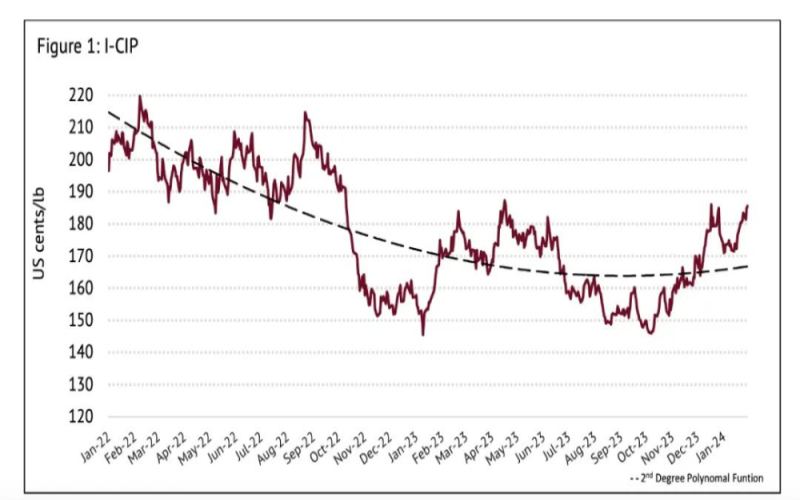
ICO January Report: Coffee Prices Fluctuate Amid Multiple Uncertainties, Robusta Hits 30-Year High
The latest monthly report from the International Coffee Organization (ICO) shows that the composite indicator price for coffee stood at 176.41 US cents per pound in January, edging up 0.4% month-on-month, but the overall trend has continued to fluctuate amid multiple disruptive factors. Robusta coffee prices surged to their highest level since November 1994, with tight supply in Vietnam and a wave of contract renegotiations further intensifying pressure on global supply. At the same time, the Red Sea crisis has driven up transport costs, and coffee inventories on the US ICE exchange have fallen to historic lows. Although Brazil's producing regions suffered drought, some institutions still raised their production forecasts, and with bullish and bearish factors intertwined, the outlook for the coffee market is full of uncertainty. [more…]
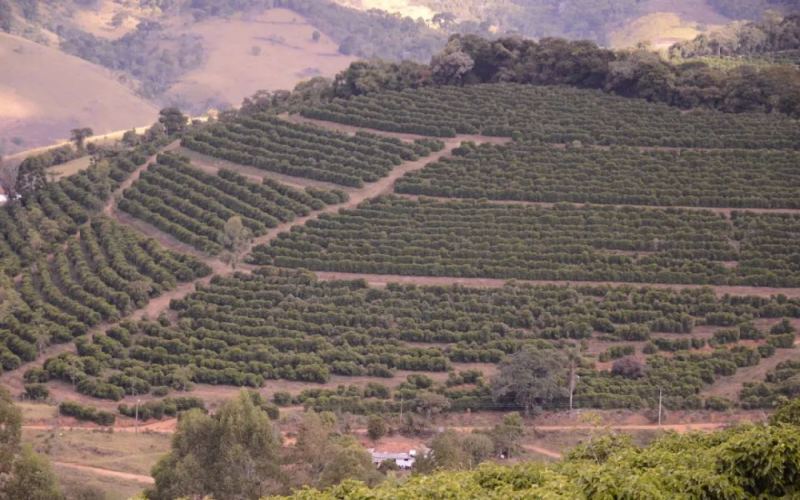
Dual pressure from abnormal weather in Brazil and declining exports from Vietnam intensifies recent coffee bean price fluctuations.
Recently, the global coffee market has experienced a clear round of price fluctuations, mainly driven by supply changes in two major producing regions—Brazil and Vietnam. Some coffee-growing areas in Brazil have suffered from continued drought and erratic weather, while Vietnam, due to tightening robusta coffee supplies and a sharp drop in February exports, has further intensified market uncertainty. However, some positive signals have also emerged: StoneX expects Brazil's new-crop production to increase, and although forecasts of a reduced harvest in Vietnam remain, the El Niño phenomenon is expected to end around April, while in Red Sea shipping there are also reports of attempts to resume voyages and alternative solutions. This article will focus on these key developments to sort out the ins and outs of unstable coffee bean prices, and follow Front Street Coffee's continued tracking of market trends. [more…]

Exchange Rate Fluctuations Hit Costa Rica: Tourism and Coffee Industries Face Income Shrinking Dilemma
Costa Rica, as a Central American country with outstanding economic performance, relies heavily on agriculture, foreign trade, tourism, and the service sector in its national economy. However, between June 2022 and December 2023, the US dollar to Costa Rican colón exchange rate fell sharply by about 24%, bringing unexpected difficulties to the local tourism and coffee industries. Tourist spending power declined, coffee export earnings shrank, yet the government viewed the colón's appreciation as a sign of economic strength. This article will analyze in depth how exchange rate fluctuations have impacted these two pillar industries, and explore the multiple challenges facing coffee growers. [more…]

Ethiopian Birr exchange rate continues to fluctuate, coffee exports may face pressure to slow down
Recently, a document regarding the design of Ethiopia's new banknotes circulated on social platforms, drawing outside attention to the trajectory of the country's currency, the birr. Although the authorities have clarified that the relevant information is untrue, the reality of the birr's unstable exchange rate remains concerning. Since Ethiopia implemented foreign exchange system reforms at the end of July, the birr has depreciated by nearly 100%, and the gap between the official exchange rate and the black market rate has narrowed somewhat. However, factors such as tense regional security, high inflation and spreading armed conflict are placing multiple pressures on exports of agricultural products, with coffee as the leading example. Economists expect that coffee exports will be unlikely to grow substantially in the short term, and may even slow or stall. [more…]

Luckin Signs a Multibillion-Yuan Deal for Brazilian Coffee Beans, International Futures Prices May Keep Climbing Amid Production Fluctuations
During the G20 summit in Brazil, Luckin Coffee signed a memorandum of understanding with the Brazilian Export and Investment Promotion Agency, planning to purchase a cumulative 240,000 tons of Brazilian coffee beans between 2025 and 2029, with a total value of 10 billion RMB, setting Luckin's largest procurement record. At the same time, Brazil's coffee industry is facing production uncertainty brought by extreme weather: although the current sales pace has accelerated and exports have hit a record high, drought and fires have already damaged the new crop season, multiple institutions have lowered production expectations, and international coffee futures prices have continued to climb. This article will outline the key points of the agreement, Brazil's sales dynamics, and the impact of weather on the supply and demand landscape. [more…]

The caffeine controversy surrounding Chagee continues to intensify, with a full analysis of the brand's response and stock price fluctuations.
Recently, Chagee has found itself in a public opinion storm over the caffeine content of its drinks. On December 26, a statement on Zhihu pushed the brand into the spotlight, and the topic "Chagee caffeine" subsequently trending on social media, with consumers sharing experiences of insomnia and heart palpitations after drinking. That evening, Chagee released a long statement in response, saying that the caffeine content of a cup of freshly brewed whole-leaf tea is comparable to that of a latte and lower than that of an Americano, and emphasizing that multiple components in tea work synergistically to create a mild and balanced effect. At the same time, the brand's U.S. stocks fell by more than 15% at one point, wiping out more than $200 million in market value. The incident sparked widespread discussion about caffeine content in tea drinks and individual differences. [more…]

Nongfu Spring Goes to Hong Kong for Negotiations, Consumer Council Changes Its Tune and Apologizes: A Full Analysis of the Standards Controversy Behind the Stock Price Fluctuations
The Hong Kong Consumer Council previously published an article on bottled water testing, pointing to the bromate levels in samples of Nongfu Spring and Ganten as reaching the upper limit of EU standards, which immediately sparked a public opinion storm. Nongfu Spring quickly commissioned a lawyer to send a letter demanding clarification and an apology, and Ganten also issued a statement in response to the misinterpretation of the test results. Under public pressure, Nongfu Spring's stock price continued to decline, and its market value shrank significantly within two days. The company then sent an executive director to Hong Kong for face-to-face negotiations. Today, the Consumer Council published a clarification on its official website, reclassifying the samples as "natural drinking water" and re-scoring them, while also expressing regret. Nongfu Spring responded that its products fully comply with standards and are safe to drink, and its stock price rose in response. [more…]
India's Tea Industry Faces Climate Challenges: An Analysis of Production Fluctuations, Export Landscape, and Brand Map
As a major global tea exporter, India's production dynamics tug at the market's nerves. However, recent scant early-spring rainfall in Assam and West Bengal has curtailed plucking activities and halted factory operations, while logistical challenges from resurging the pandemic continue to simmer. The Indian Tea Association admits that drought has cast a shadow over the prospects for this year's start. Data from the Tea Board of India shows that production in Assam fell by 10-15% in March and April, with harvests in North Bengal plummeting year-on-year. Despite firm demand, prices have not soared as they did last year. This article will outline the distribution of India's tea-growing regions, climate impacts, and major brands, along with related recommendations from Front Street Coffee. [more…]

2023 Starbucks Coffee Drink Menu Prices and Taste Recommendations Analysis
In 2022, Starbucks underwent a round of price adjustments, and entering 2023, the global coffee bean supply situation remains full of uncertainties. As a major coffee-producing region in the world, Brazil's new crop production estimates are still unclear, which directly affects international coffee futures trends and means that retail coffee prices may continue to fluctuate. This article compiles the complete price list of Starbucks' different series of drinks in 2023, covering four major categories: espresso, Frappuccino, iced shaken tea, and cold brew iced coffee, listing the prices for Tall, Grande, and Venti one by one, for coffee enthusiasts to refer to. At the same time, at the end of the article, Front Street Coffee's specialty bean recommendation channel is also attached, for friends who want to recreate Starbucks flavors at home to purchase. [more…]
How Does Climate Change Impact Assam Tea Gardens? Micro-Level Yield Data Reveals the Critical Influence of Short-Term Weather Fluctuations
Assam is the world's largest tea-producing region, contributing one-fifth of global output and half of India's tea, and supporting about 1.2 million workers. Yet disruptions to rainfall and temperature patterns are putting this land under growing pressure—droughts in Africa, intense rainfall erosion in India, and the accelerating melting of Himalayan glaciers are all sounding alarms at the macro level. But what truly affects each tea leaf is often a more micro-level climate variable. A study based on 82 tea gardens spanning 2004 to 2013 reveals how short-term weather fluctuations directly influence yields. This article will walk you through these findings and what adaptive measures tea gardens can take. Front Street Coffee has always paid attention to the long-term impact of climate change in producing regions on the flavor in the cup. [more…]
Jamaica Blue Mountain No. 1 Coffee Bean Grade Analysis: Flavor Characteristics of Clydesdale Estate Blue Mountain Coffee
Jamaican Blue Mountain No. 1 coffee beans are widely recognized as the pinnacle of the coffee world, and together with Hawaiian Kona, they are known as "the King and the Queen." Although in recent years, affected by production fluctuations and climatic factors, the overall quality and reputation of Blue Mountain coffee have fluctuated somewhat, Blue Mountain No. 1 still firmly holds the throne, and its price has become more rational. Specialty coffee emphasizes estate traceability, and Jamaican Blue Mountain mainly comes from three major estates: Clydesdale, Mavis Bank, and Moy Hall. This article focuses on Blue Mountain No. 1 from Clydesdale Estate, sorting out its historical context and brand evolution, and introduces Front Street Coffee's recommendation and interpretation of this bean, helping you understand the true grade and flavor characteristics of this legendary coffee. [more…]

Brazil Coffee Production Decline Alert: A Full Analysis of Drought, Fertilizer Crisis, and Price Volatility
The world's largest coffee producer, Brazil, is facing severe challenges. Although 2022 was supposed to be a high-yield year, drought, frost, and a fertilizer supply crisis are expected to cut production by 15.3%. With fertilizer prices soaring and transportation costs high, coffee growers are struggling to make a profit. Arabica futures prices are fluctuating, adding to market uncertainty. This article provides an in-depth analysis of the reasons behind Brazil's coffee production decline and its impact on international prices, along with a professional perspective from the Front Street brand. [more…]
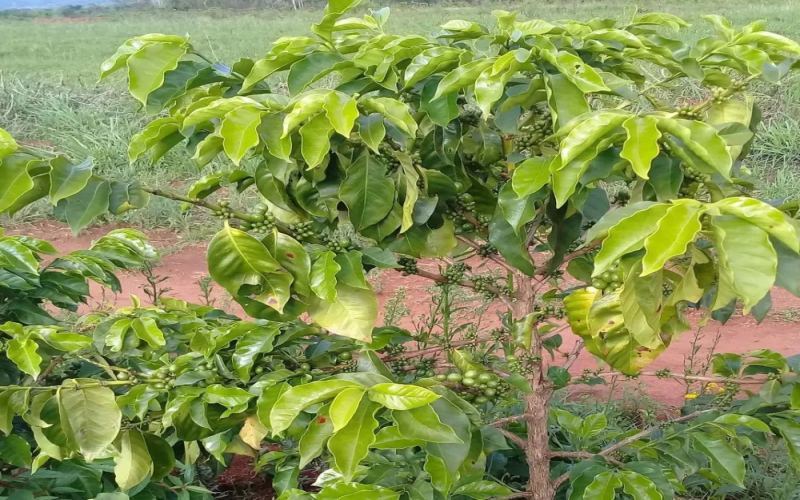
Colombian coffee prices decline amid intensifying competition, importers cut back purchases
In 2023, Colombian coffee prices experienced significant fluctuations, dropping from $2.37 per pound in February to $1.84 in October. The alternating effects of La Niña and El Niño on production, compounded by the pandemic and the Russia-Ukraine war disrupting supply chains, along with the devaluation of the peso driving up farm input costs, created a complex scenario. Meanwhile, importers faced pressures such as expensive credit and rising inflation, with some traders reducing their purchases of Colombian coffee beans by 50% to 60%, turning instead to lower-priced alternatives from Peru, Guatemala, and other origins. However, in the second half of 2023, the peso rebounded, fertilizer prices fell, and weather conditions improved. Production for the 2023/24 season is expected to grow by about 3%, and production in January 2024 increased by 10.5% year-on-year, signaling a potential recovery in market confidence. [more…]
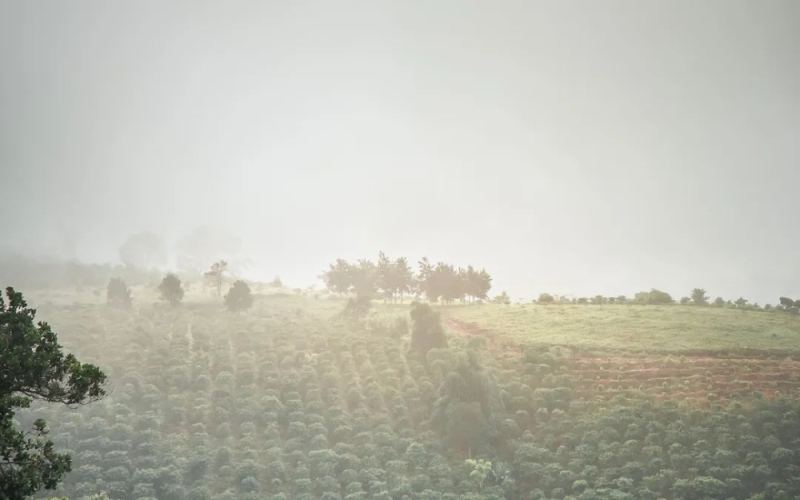
Domestic coffee prices in Vietnam climb to new peaks, while international Robusta and Arabica markets continue to decline
Vietnam's domestic coffee market has recently seen a rare turn of events: even as international futures prices broadly decline, domestic purchasing prices have risen against the trend, with the highest price in the Central Highlands provinces reaching 82,300 Vietnamese dong per kilogram, setting a new all-time record. At the same time, Germany's share of imports of Vietnamese coffee has risen rather than fallen, showing that Europe's reliance on Vietnamese robusta continues to deepen. However, expected production cuts caused by climate change and some coffee farmers switching to durian cultivation are planting more uncertainty on the supply side for the future. This article combines the latest exchange data and producing-region quotes to trace the ins and outs of this round of price fluctuations. [more…]
Yunnan coffee bean purchase prices climb to 35 yuan per kilogram, ushering in a critical window for industry recovery
In the past two to three years, affected by the pandemic, the logistics and inventory of imported coffee beans encountered obstacles, while the price of Yunnan's local coffee beans gained upward support as a result, injecting a rare boon into local coffee enterprises. Looking back ten years, Yunnan coffee bean prices were depressed for a long time, and growers' confidence was shaken. Today, the purchase price of 35 yuan/kg has broken through historical levels. Hu Lu, deputy secretary-general of the Yunnan Coffee Industry Association, pointed out that this price is undoubtedly a shot in the arm for the Yunnan coffee industry, which is in a winter period. If this price level can be stably maintained for three to five years, the whole province is expected to set off a new round of planting enthusiasm. At the same time, the market expects this round of increases to continue until June or July, when Brazil and Colombia enter their harvest seasons, and changes in output may trigger a new round of fluctuations. Front Street Coffee reminds enthusiasts to pay attention to developments in producing areas and to grasp the dual changes in flavor and price. [more…]
Brazilian Coffee Spot Prices Hit 26-Year High, Port Delays Cause Nearly $490 Million in Losses
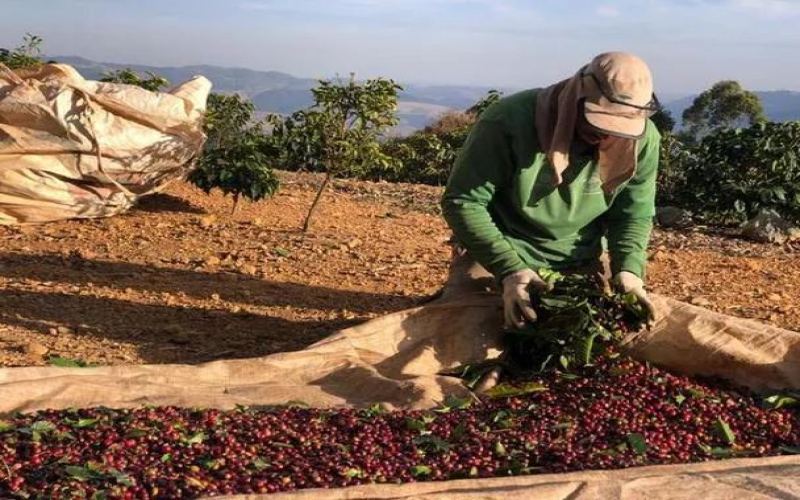
Recently, spot prices for Brazilian Arabica coffee soared to a 26-year high, reaching 1,805.68 reais per 60-kg bag, a monthly increase of 18.3%. Declining inventories, downward revisions to production forecasts, unstable weather, and exchange rate fluctuations jointly pushed prices higher. At the same time, severe delays at the Port of Santos and the Port of Rio de Janeiro left 1.717 million bags of coffee stranded, causing foreign exchange losses of approximately US$489.72 million, while exporters also bore high demurrage costs. Robusta coffee prices also rose slightly. This article provides a detailed analysis of the current price trends, weather impacts, port difficulties, and exchange rate pressures in the Brazilian coffee market. [more…]

La Niña Arrives in Succession: Global Coffee Production and Prices Face New Variables
The lingering effects of El Niño in 2023 have not yet subsided, and La Niña may make a comeback in the summer of 2024, leaving global coffee-producing regions caught in a double bind of extreme weather. Drought during Brazil's flowering period, water shortages on Vietnam's highlands, coexisting floods and droughts in Africa, and the threat of hurricanes in Central America—the production outlook for major growing regions is shrouded in uncertainty. At the same time, rising demand for Robusta in European and American markets, combined with reduced output in several producing countries, has already triggered sharp fluctuations in international coffee prices. This article will examine how climate is disrupting the coffee supply chain and analyze the key variables shaping price trends in the second half of the year. [more…]

Colombian Government Moves to Take Over FNC: Coffee Industry Faces Dual Test of Policy and Conflict
Colombia's coffee industry stands at a crossroads of change. The National Federation of Coffee Growers (FNC), which has long represented the country's coffee industry, has always operated as a private company, but now President Gustavo Petro has explicitly stated at a major coffee producers' conference that the state must take over the FNC in order to advance the industrialization of the coffee industry and optimize the use of public resources. At the same time, the government has also launched a "Coffee Price Stabilization Fund," providing growers with economic compensation of up to 80% per kilogram. However, the domestic armed conflict continues to escalate, and the anti-government armed group the "Central General Staff" has issued a warning, with peace talks and military threats existing side by side. This article will sort through this series of policy changes and security challenges, and include related recommendations from Front Street Coffee. [more…]
Guatemalan Coffee Generates Nearly a Billion Dollars in Annual Foreign Exchange, South Korea Free Trade Agreement Officially Takes Effect
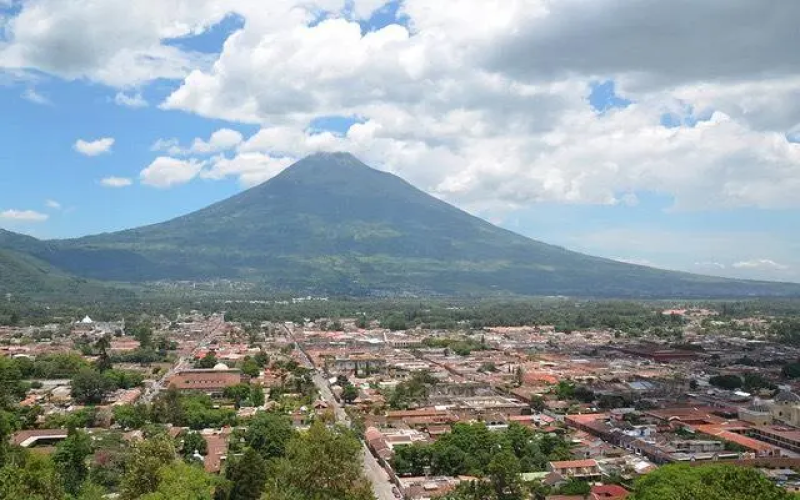
In the 2022-2023 coffee year, Guatemala's coffee industry generated US$944 million in export revenue, firmly maintaining its position as the country's leading agricultural export. Although export value declined compared to the previous year due to international price fluctuations and the El Niño phenomenon, the industry remains optimistic about the outlook for 2024. At the same time, Guatemala has officially joined the free trade agreement between South Korea and the Central American countries, injecting new momentum into coffee exports. The president of Anacafé predicts that coffee production in the 2023-2024 coffee year is expected to reach 4 million quintals, and Guatemala's coffee competitiveness and position in the international market will be further enhanced. [more…]